Tag: affirmations

  • Affirmations Don’t Erase Setbacks…They Help You Respond to Them

    Affirmations Don’t Erase Setbacks…They Help You Respond to Them

    As the year comes to a close, many people naturally begin to reflect. Some feel proud of how far they’ve come, while others focus on what didn’t go as planned. Setbacks tend to feel heavier during this time, especially when expectations were high.

    Affirmations are often misunderstood as a way to ignore disappointment or “stay positive” no matter what. In reality, affirmations don’t erase setbacks, and they aren’t meant to. What they do is help shape how we respond when things don’t go the way we hoped.

    After a setback, the mind often turns inward with harsh self-talk. Thoughts like “I should be further along” or “I always mess this up” can quickly turn a single moment into a reason to quit entirely. Affirmations help interrupt that spiral.

    Instead of denying what happened, affirmations create space for a healthier response. Statements such as “One setback doesn’t define my progress” or “I can choose how I continue from here” support emotional regulation and self-compassion.

    This shift matters because how we speak to ourselves after a setback often determines what comes next. When self-talk becomes punishing, motivation tends to disappear. When it becomes supportive, continuing feels possible again , even if the pace is slower than expected.

    Affirmations don’t ask you to pretend everything is fine. They help you stay grounded in moments that feel discouraging. Over time, this practice builds resilience not by avoiding difficulty, but by meeting it with steadier self-talk.

    As the year ends, it’s okay to acknowledge what didn’t happen. It’s also okay to choose words that allow you to move forward without shame. Setbacks are part of growth, and affirmations help ensure they don’t become the end of the story.

    If you’re navigating disappointment or reflection right now, using gentle affirmations can help stabilize your mindset. You can explore our affirmation generator on willfullycrafted.net to find supportive self-talk for moments when continuing feels difficult.


  • How Affirmations Support Action When Working Toward Your Goals

    How Affirmations Support Action When Working Toward Your Goals

    Affirmations are often misunderstood. Some people expect them to magically create results, while others dismiss them entirely. The truth sits somewhere in between. Affirmations are not a substitute for action , but they can play a powerful role in supporting it.

    When working toward goals, motivation naturally rises and falls. This is normal. What often determines whether someone continues or quits is not ability, but mindset. This is where affirmations help.

    Affirmations influence the internal dialogue that runs alongside effort. When challenges appear, negative self-talk can quietly undo progress by encouraging doubt, frustration, or avoidance. Supportive self-talk, on the other hand, helps people stay engaged with their goals even when results aren’t immediate.

    Affirmations work by reinforcing identity rather than outcomes. Statements like “I am someone who follows through” or “I continue showing up even when it’s uncomfortable” don’t remove obstacles — they strengthen the mindset needed to face them.

    This mental reinforcement makes action feel more sustainable. Instead of relying on bursts of motivation, affirmations help build consistency. Over time, consistency becomes habit, and habit supports long-term progress.

    It’s important to be clear: affirmations alone don’t create change. Action still matters. Effort still matters. But affirmations can reduce the mental resistance that often prevents people from taking action in the first place.

    When used alongside realistic goals and daily effort, affirmations help keep the inner environment supportive rather than discouraging. They don’t do the work for you ,they help you stay connected to the reason you’re doing it.

    Affirmations aren’t about wishing for results. They’re about strengthening the mindset that allows action to continue when motivation fades.

    If you’d like support strengthening your mindset while working toward your goals, you can explore our affirmation generator to find positive self-talk that fits your daily routine.

  • How Positive Self-Talk Turns Short-Term Goals Into Lasting Habits

    How Positive Self-Talk Turns Short-Term Goals Into Lasting Habits

    As the new year approaches, many people begin thinking about change. Fresh starts feel motivating, and goals feel exciting at first. But motivation alone is rarely enough to carry us through long-term growth.

    This is where positive self-talk and mindset work make a lasting difference.

    Motivation is temporary. It often fades weeks after goals are set, especially when progress feels slow or life becomes busy. Positive self-talk, on the other hand, creates an internal environment that supports consistency even when motivation runs low.

    When you intentionally shift the way you speak to yourself, you begin reinforcing the mental foundation needed for habits to form. Instead of relying on excitement, you rely on belief, patience, and self-trust.

    For example, many people set health-related goals at the start of the year. Without supportive self-talk, early setbacks can quickly lead to frustration and quitting. With affirmations, those same moments are met with understanding and persistence instead of self-criticism.

    Affirmations help reframe the process from short-term effort to long-term lifestyle change. Statements such as “I am building habits that support my well-being” or “I stay consistent even when progress feels slow” reinforce commitment beyond the initial burst of motivation.

    Over time, this internal dialogue becomes automatic. When challenges arise, the mind is already conditioned to respond with encouragement rather than doubt. This is what transforms goals into sustainable routines.

    The new year isn’t just a chance to set goals, it’s an opportunity to change the way you speak to yourself while pursuing them. When positive self-talk becomes part of the process, success becomes something you grow into, not something you chase.

    Positive self-talk doesn’t need to be complicated. Sometimes having the right words in front of you is enough to keep going when motivation fades. If you’d like gentle affirmations you can return to daily, you can visit our affirmation generator here.

  • Small Ways to Incorporate Affirmations Without Disrupting Your Daily Routine

    Small Ways to Incorporate Affirmations Without Disrupting Your Daily Routine

    Many people want to use affirmations but worry they don’t have the time or that it will feel forced. The truth is, affirmations don’t need to interrupt your day to be effective. When used gently and consistently, they can blend naturally into routines you already have.

    One simple way to incorporate affirmations is during moments that already exist. While brushing your teeth, washing your hands, or waiting for your coffee to brew, silently repeat a short supportive statement. These moments are often overlooked, yet they provide perfect opportunities for positive self-talk.

    Another easy method is pairing affirmations with daily habits. For example, reading one affirmation before opening your phone in the morning or repeating a calming phrase while getting dressed. This helps create a mental association between routine actions and supportive thoughts.

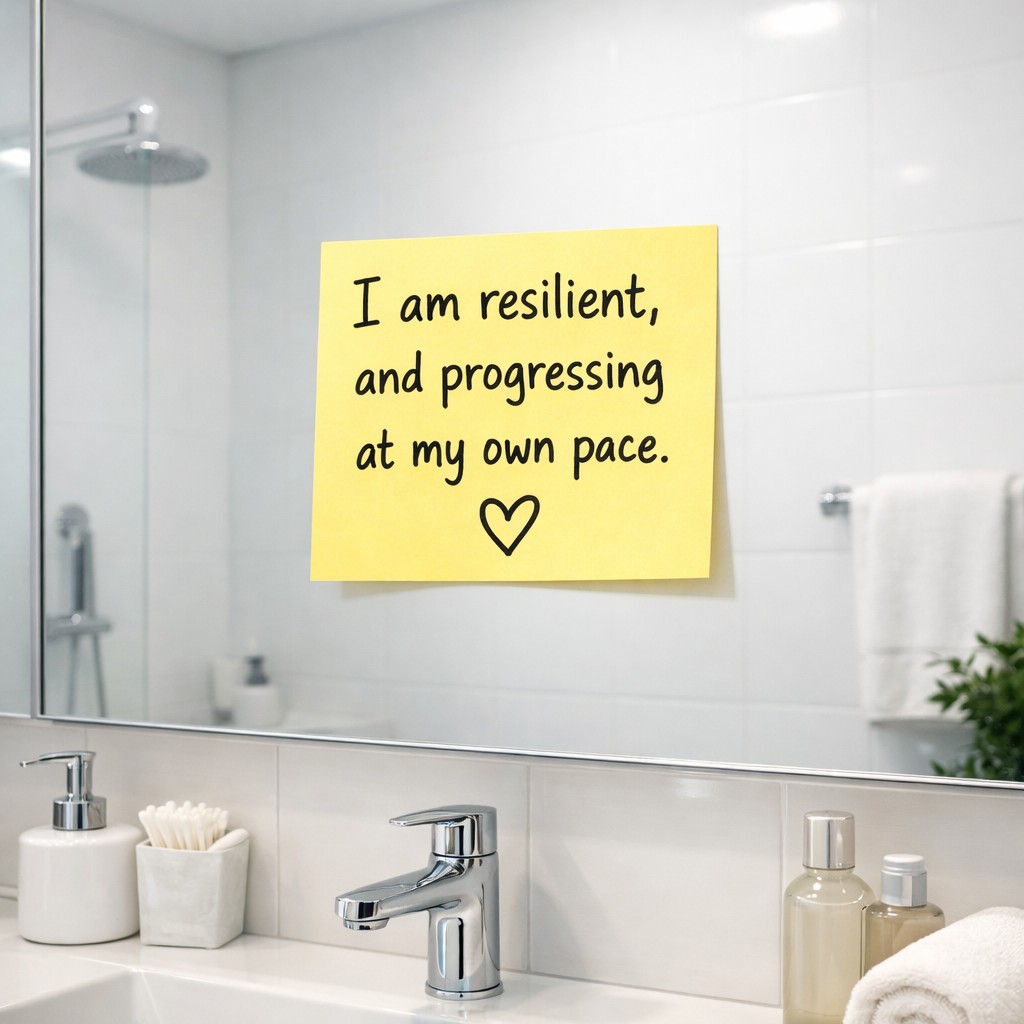
    Written affirmations can also be subtle. Placing a small note on a mirror, planner, or desk allows your mind to absorb positive language without effort. You don’t need to stop what you’re doing, simply seeing the words can influence your mindset over time.

    Affirmations can even be woven into internal dialogue. When a negative thought appears, gently reframe it. Instead of forcing positivity, choose a neutral and supportive statement such as “I’m doing the best I can today” or “I’m learning as I go.”

    The most important factor is consistency, not intensity. Small affirmations practiced daily are more effective than long sessions done occasionally. Over time, these quiet moments of encouragement begin to shape how you respond to challenges and stress.

    Affirmations don’t need to change your schedule, but change the language you use within it.

    Want a new affirmation use an affirmation generator at willfullycrafted.net for new inspiration today!

  • How Words Shape the Way We Perceive Life

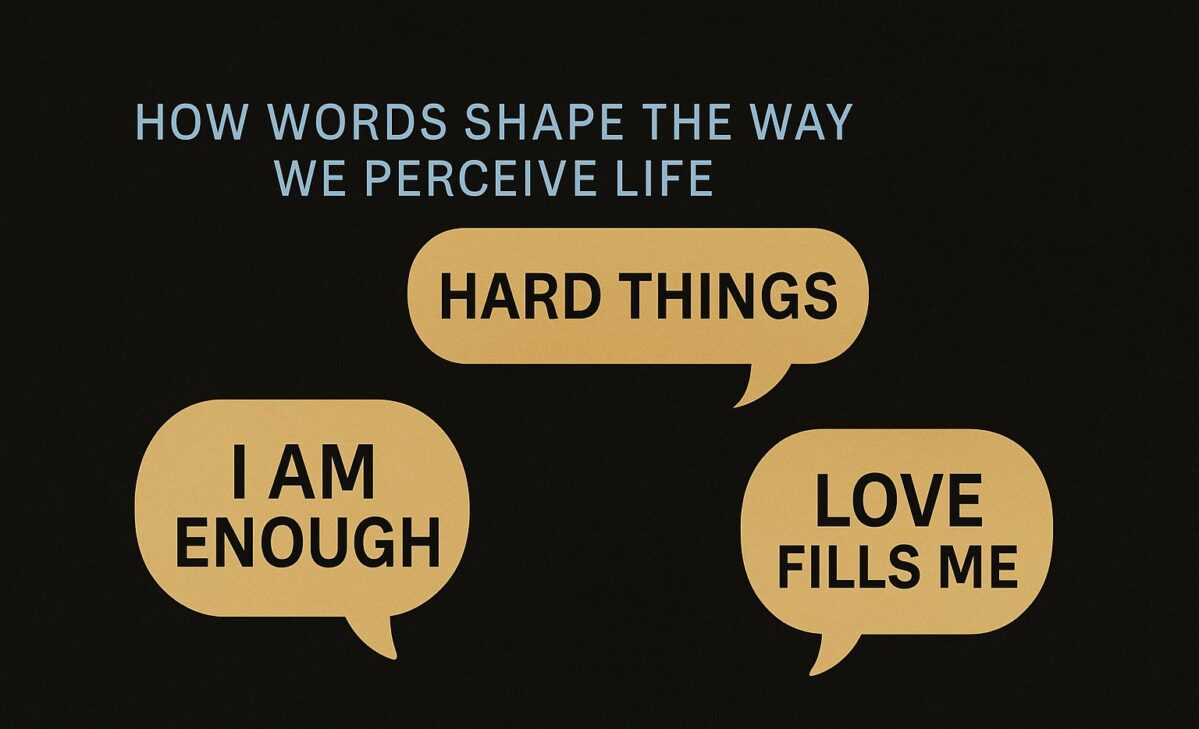
    How Words Shape the Way We Perceive Life

    The words we speak out loud and in our own minds quietly shape the way we experience life.
    They influence our emotions, our choices, our confidence, and even the way our brain is wired to respond to challenges.

    Most people think affirmations are just “positive sentences.”
    But in reality, they are micro-instructions to your nervous system, guiding your attention, your habits, and your sense of what is possible.

    🌱 Your Brain Believes What You Tell It Repeatedly

    The brain is constantly taking notes:

    • “This is who I am.”
    • “This is how life works for me.”
    • “This is what I expect.”

    When you repeat something often enough, whether helpful or harmful, the brain begins to build pathways around it.
    This process is called neuroplasticity, your brain’s ability to physically change based on repeated thoughts.

    So…

    • When you say “I can’t do this,” your brain doesn’t argue. It adapts to the limit you set.
    • When you say “I am capable and learning,” it begins strengthening your ability to act, and follow through.

    Words Become Filters

    Your mind filters the world through the beliefs you repeat.

    If you regularly affirm:

    • “Nothing works out for me,”
      you begin noticing only evidence that confirms it.

    If you begin saying:

    • “Good things are starting to line up for me,”
      your mind switches into a receptive mode, and you will begin spotting opportunities you used to overlook.

    Your words shape what your brain decides to pay attention to.

    💛 Self-Talk Is a Daily Relationship

    You speak to yourself more than anyone else ever will.

    Is the tone of that voice:

    • gentle or harsh?
    • encouraging or doubtful?
    • hopeful or fearful?

    Affirmations aren’t magic.
    They are practice, repetition, and compassion woven into small sentences that slowly reshape the way you experience yourself.

    🔁 Consistency Matters More Than Perfection

    You don’t have to say affirmations perfectly.
    You don’t have to believe them fully at first.

    You just have to show up.

    One sentence repeated daily begins shifting the mind into a new pattern, one that feels safer, kinder, and more aligned with who you wish to become.

    💫 Speak to Yourself Like Someone Worth Rooting For

    Words won’t solve everything.
    But they will change the way you hold yourself through life.

    And when your inner world shifts, everything around you slowly begins to shift with it.

    If you want to try affirmations that can help you adjust your mindset, explore our Affirmation Generator and use anytime.